
Who REALLY controls prescription drug prices?
Who is REALLY in charge of prescription decisions?







Meet Your Pharmacist
- University of Kentucky College of Pharmacy
- Serving the community for 5 years
- Specializes in pharmacy services immunizations and pill packaging
“We offer personalized, friendly service.” - Learn More »


Sign Up For Our Newsletter
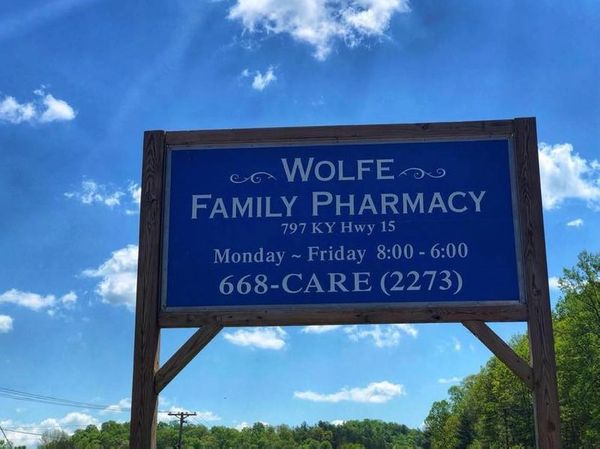
Wolfe Family Pharmacy has been serving our community for nearly 7 years, and we couldn’t be happier to have recently welcomed a new pharmacist-in-charge.
Dave Ruth is a 2007 graduate of the University of Kentucky College of Pharmacy, as well as a 2003 graduate of Eastern Kentucky University. His passion for the pharmacy profession was ignited nearly twenty years ago when he got his first technician job at a pharmacy in his hometown of Elkhorn City in Pike County. While he currently resides with his wife Taylor and son Brooks (with another on the way) in Clark County, he considers Campton to be another adopted home because of how well the community has treated them.
In his off time, he helps Taylor with her real estate business and runs Faith Pharmacy, a charity pharmacy located in downtown Lexington, where he also sits on the board of directors. The Ruths have a passion for cooking, Kentucky sports, and – perhaps above all – travel. You can visit them and learn more about their home life at wanderingwiththeruths.com.
Health News

Scoliosis 101
Is your child at risk for scoliosis? more

Cold or Flu? How to Tell the Difference
Authored by: Michelle Barney, Pharm D , , Colds and the flu can cause many of the same symptoms. Both can make you cough, feel tired and have a stuffy or runny nose. However, there are some differences that may help you tell them apart. , , Is It a Cold or the Flu? , , Cold symptoms are usually milder and may develop slowly. Common symptoms include: , , , Runny or stuffy nose , Sneezing , Sore throat , Cough , , , Flu symptoms often come on more suddenly and can make you feel much sicker. Symptoms may include: , , , Fever or chills , Cough , Sore throat , Headache...
Authored by: Michelle Barney, Pharm D , , Colds and the flu can cause many of the same symptoms. Both can make you cough, feel tired and have a stuffy or runny nose. However, there are some differences that may help you tell them apart. , , Is It a Cold or the Flu? , , Cold symptoms are usually milder and may develop slowly. Common symptoms include: , , , Runny or stuffy nose , Sneezing , Sore throat , Cough , , , Flu symptoms often come on more suddenly and can make you feel much sicker. Symptoms may include: , , , Fever or chills , Cough , Sore throat , Headache...
Authored by: Michelle Barney, Pharm D , , Colds and the flu can cause many of the same symptoms. Both can make you cough, feel tired and have a stuffy or runny nose. However, there are some differences that may help you tell them apart. , , Is It a Cold or the Flu? , , Cold symptoms are usually milder and may develop slowly. Common symptoms include: , , , Runny or stuffy nose , Sneezing , Sore throat , Cough , , , Flu symptoms often come on more suddenly and can make you feel much sicker. Symptoms may include: , , , Fever or chills , Cough , Sore throat , Headache...
Authored by: Michelle Barney, Pharm D , , Colds and the flu can cause many of the same symptoms. Both can make you cough, feel tired and have a stuffy or runny nose. However, there are some differences that may help you tell them apart. , , Is It a Cold or the Flu? , , Cold symptoms are usually milder and may develop slowly. Common symptoms include: , , , Runny or stuffy nose , Sneezing , Sore throat , Cough , , , Flu symptoms often come on more suddenly and can make you feel much sicker. Symptoms may include: , , , Fever or chills , Cough , Sore throat , Headache...
Authored by: Michelle Barney, Pharm D , , Colds and the flu can cause many of the same symptoms. Both can make you cough, feel tired and have a stuffy or runny nose. However, there are some differences that may help you tell them apart. , , Is It a Cold or the Flu? , , Cold symptoms are usually milder and may develop slowly. Common symptoms include: , , , Runny or stuffy nose , Sneezing , Sore throat , Cough , , , Flu symptoms often come on more suddenly and can make you feel much sicker. Symptoms may include: , , , Fever or chills , Cough , Sore throat , Headache...
Authored by: Michelle Barney, Pharm D , , Colds and the flu can cause many of the same symptoms. Both can make you cough, feel tired and have a stuffy or runny nose. However, there are some differences that may help you tell them apart. , , Is It a Cold or the Flu? , , Cold symptoms are usually milder and may develop slowly. Common symptoms include: , , , Runny or stuffy nose , Sneezing , Sore throat , Cough , , , Flu symptoms often come on more suddenly and can make you feel much sicker. Symptoms may include: , , , Fever or chills , Cough , Sore throat , Headache...
Authored by: Michelle Barney, Pharm D , , Colds and the flu can cause many of the same symptoms. Both can make you cough, feel tired and have a stuffy or runny nose. However, there are some differences that may help you tell them apart. , , Is It a Cold or the Flu? , , Cold symptoms are usually milder and may develop slowly. Common symptoms include: , , , Runny or stuffy nose , Sneezing , Sore throat , Cough , , , Flu symptoms often come on more suddenly and can make you feel much sicker. Symptoms may include: , , , Fever or chills , Cough , Sore throat , Headache...
Authored by: Michelle Barney, Pharm D , , Colds and the flu can cause many of the same symptoms. Both can make you cough, feel tired and have a stuffy or runny nose. However, there are some differences that may help you tell them apart. , , Is It a Cold or the Flu? , , Cold symptoms are usually milder and may develop slowly. Common symptoms include: , , , Runny or stuffy nose , Sneezing , Sore throat , Cough , , , Flu symptoms often come on more suddenly and can make you feel much sicker. Symptoms may include: , , , Fever or chills , Cough , Sore throat , Headache...
Authored by: Michelle Barney, Pharm D , , Colds and the flu can cause many of the same symptoms. Both can make you cough, feel tired and have a stuffy or runny nose. However, there are some differences that may help you tell them apart. , , Is It a Cold or the Flu? , , Cold symptoms are usually milder and may develop slowly. Common symptoms include: , , , Runny or stuffy nose , Sneezing , Sore throat , Cough , , , Flu symptoms often come on more suddenly and can make you feel much sicker. Symptoms may include: , , , Fever or chills , Cough , Sore throat , Headache...
Authored by: Michelle Barney, Pharm D , , Colds and the flu can cause many of the same symptoms. Both can make you cough, feel tired and have a stuffy or runny nose. However, there are some differences that may help you tell them apart. , , Is It a Cold or the Flu? , , Cold symptoms are usually milder and may develop slowly. Common symptoms include: , , , Runny or stuffy nose , Sneezing , Sore throat , Cough , , , Flu symptoms often come on more suddenly and can make you feel much sicker. Symptoms may include: , , , Fever or chills , Cough , Sore throat , Headache...
Authored by: Michelle Barney, Pharm D , , Colds and the flu can cause many of the same symptoms. Both can make you cough, feel tired and have a stuffy or runny nose. However, there are some differences that may help you tell them apart. , , Is It a Cold or the Flu? , , Cold symptoms are usually milder and may develop slowly. Common symptoms include: , , , Runny or stuffy nose , Sneezing , Sore throat , Cough , , , Flu symptoms often come on more suddenly and can make you feel much sicker. Symptoms may include: , , , Fever or chills , Cough , Sore throat , Headache...
Authored by: Michelle Barney, Pharm D , , Colds and the flu can cause many of the same symptoms. Both can make you cough, feel tired and have a stuffy or runny nose. However, there are some differences that may help you tell them apart. , , Is It a Cold or the Flu? , , Cold symptoms are usually milder and may develop slowly. Common symptoms include: , , , Runny or stuffy nose , Sneezing , Sore throat , Cough , , , Flu symptoms often come on more suddenly and can make you feel much sicker. Symptoms may include: , , , Fever or chills , Cough , Sore throat , Headache...
Authored by: Michelle Barney, Pharm D , , Colds and the flu can cause many of the same symptoms. Both can make you cough, feel tired and have a stuffy or runny nose. However, there are some differences that may help you tell them apart. , , Is It a Cold or the Flu? , , Cold symptoms are usually milder and may develop slowly. Common symptoms include: , , , Runny or stuffy nose , Sneezing , Sore throat , Cough , , , Flu symptoms often come on more suddenly and can make you feel much sicker. Symptoms may include: , , , Fever or chills , Cough , Sore throat , Headache...
Authored by: Michelle Barney, Pharm D , , Colds and the flu can cause many of the same symptoms. Both can make you cough, feel tired and have a stuffy or runny nose. However, there are some differences that may help you tell them apart. , , Is It a Cold or the Flu? , , Cold symptoms are usually milder and may develop slowly. Common symptoms include: , , , Runny or stuffy nose , Sneezing , Sore throat , Cough , , , Flu symptoms often come on more suddenly and can make you feel much sicker. Symptoms may include: , , , Fever or chills , Cough , Sore throat , Headache...
Authored by: Michelle Barney, Pharm D , , Colds and the flu can cause many of the same symptoms. Both can make you cough, feel tired and have a stuffy or runny nose. However, there are some differences that may help you tell them apart. , , Is It a Cold or the Flu? , , Cold symptoms are usually milder and may develop slowly. Common symptoms include: , , , Runny or stuffy nose , Sneezing , Sore throat , Cough , , , Flu symptoms often come on more suddenly and can make you feel much sicker. Symptoms may include: , , , Fever or chills , Cough , Sore throat , Headache...
Authored by: Michelle Barney, Pharm D , , Colds and the flu can cause many of the same symptoms. Both can make you cough, feel tired and have a stuffy or runny nose. However, there are some differences that may help you tell them apart. , , Is It a Cold or the Flu? , , Cold symptoms are usually milder and may develop slowly. Common symptoms include: , , , Runny or stuffy nose , Sneezing , Sore throat , Cough , , , Flu symptoms often come on more suddenly and can make you feel much sicker. Symptoms may include: , , , Fever or chills , Cough , Sore throat , Headache...
Authored by: Michelle Barney, Pharm D , , Colds and the flu can cause many of the same symptoms. Both can make you cough, feel tired and have a stuffy or runny nose. However, there are some differences that may help you tell them apart. , , Is It a Cold or the Flu? , , Cold symptoms are usually milder and may develop slowly. Common symptoms include: , , , Runny or stuffy nose , Sneezing , Sore throat , Cough , , , Flu symptoms often come on more suddenly and can make you feel much sicker. Symptoms may include: , , , Fever or chills , Cough , Sore throat , Headache...
Authored by: Michelle Barney, Pharm D , , Colds and the flu can cause many of the same symptoms. Both can make you cough, feel tired and have a stuffy or runny nose. However, there are some differences that may help you tell them apart. , , Is It a Cold or the Flu? , , Cold symptoms are usually milder and may develop slowly. Common symptoms include: , , , Runny or stuffy nose , Sneezing , Sore throat , Cough , , , Flu symptoms often come on more suddenly and can make you feel much sicker. Symptoms may include: , , , Fever or chills , Cough , Sore throat , Headache...
Authored by: Michelle Barney, Pharm D , , Colds and the flu can cause many of the same symptoms. Both can make you cough, feel tired and have a stuffy or runny nose. However, there are some differences that may help you tell them apart. , , Is It a Cold or the Flu? , , Cold symptoms are usually milder and may develop slowly. Common symptoms include: , , , Runny or stuffy nose , Sneezing , Sore throat , Cough , , , Flu symptoms often come on more suddenly and can make you feel much sicker. Symptoms may include: , , , Fever or chills , Cough , Sore throat , Headache...
Authored by: Michelle Barney, Pharm D , , Colds and the flu can cause many of the same symptoms. Both can make you cough, feel tired and have a stuffy or runny nose. However, there are some differences that may help you tell them apart. , , Is It a Cold or the Flu? , , Cold symptoms are usually milder and may develop slowly. Common symptoms include: , , , Runny or stuffy nose , Sneezing , Sore throat , Cough , , , Flu symptoms often come on more suddenly and can make you feel much sicker. Symptoms may include: , , , Fever or chills , Cough , Sore throat , Headache...
Authored by: Michelle Barney, Pharm D , , Colds and the flu can cause many of the same symptoms. Both can make you cough, feel tired and have a stuffy or runny nose. However, there are some differences that may help you tell them apart. , , Is It a Cold or the Flu? , , Cold symptoms are usually milder and may develop slowly. Common symptoms include: , , , Runny or stuffy nose , Sneezing , Sore throat , Cough , , , Flu symptoms often come on more suddenly and can make you feel much sicker. Symptoms may include: , , , Fever or chills , Cough , Sore throat , Headache...
Authored by: Michelle Barney, Pharm D , , Colds and the flu can cause many of the same symptoms. Both can make you cough, feel tired and have a stuffy or runny nose. However, there are some differences that may help you tell them apart. , , Is It a Cold or the Flu? , , Cold symptoms are usually milder and may develop slowly. Common symptoms include: , , , Runny or stuffy nose , Sneezing , Sore throat , Cough , , , Flu symptoms often come on more suddenly and can make you feel much sicker. Symptoms may include: , , , Fever or chills , Cough , Sore throat , Headache... more

Osteoporosis and Bone Health: What You Should Know
Authored by: Michelle Barney, PharmD , , , Your bones help support your body and protect your organs. As you get older, your bones can become weaker. Osteoporosis is a condition that causes bones to become weak and more likely to break. , , Osteoporosis can affect anyone, but the risk increases with age and is especially common in women after menopause. , , What Are the Signs of Osteoporosis? , , Osteoporosis is sometimes called a "silent disease" because you may not know you have it until you break a bone. , , Bones commonly affected include the hip, spine and wrist. Osteoporosi...
Authored by: Michelle Barney, PharmD , , , Your bones help support your body and protect your organs. As you get older, your bones can become weaker. Osteoporosis is a condition that causes bones to become weak and more likely to break. , , Osteoporosis can affect anyone, but the risk increases with age and is especially common in women after menopause. , , What Are the Signs of Osteoporosis? , , Osteoporosis is sometimes called a "silent disease" because you may not know you have it until you break a bone. , , Bones commonly affected include the hip, spine and wrist. Osteoporosi...
Authored by: Michelle Barney, PharmD , , , Your bones help support your body and protect your organs. As you get older, your bones can become weaker. Osteoporosis is a condition that causes bones to become weak and more likely to break. , , Osteoporosis can affect anyone, but the risk increases with age and is especially common in women after menopause. , , What Are the Signs of Osteoporosis? , , Osteoporosis is sometimes called a "silent disease" because you may not know you have it until you break a bone. , , Bones commonly affected include the hip, spine and wrist. Osteoporosi...
Authored by: Michelle Barney, PharmD , , , Your bones help support your body and protect your organs. As you get older, your bones can become weaker. Osteoporosis is a condition that causes bones to become weak and more likely to break. , , Osteoporosis can affect anyone, but the risk increases with age and is especially common in women after menopause. , , What Are the Signs of Osteoporosis? , , Osteoporosis is sometimes called a "silent disease" because you may not know you have it until you break a bone. , , Bones commonly affected include the hip, spine and wrist. Osteoporosi...
Authored by: Michelle Barney, PharmD , , , Your bones help support your body and protect your organs. As you get older, your bones can become weaker. Osteoporosis is a condition that causes bones to become weak and more likely to break. , , Osteoporosis can affect anyone, but the risk increases with age and is especially common in women after menopause. , , What Are the Signs of Osteoporosis? , , Osteoporosis is sometimes called a "silent disease" because you may not know you have it until you break a bone. , , Bones commonly affected include the hip, spine and wrist. Osteoporosi...
Authored by: Michelle Barney, PharmD , , , Your bones help support your body and protect your organs. As you get older, your bones can become weaker. Osteoporosis is a condition that causes bones to become weak and more likely to break. , , Osteoporosis can affect anyone, but the risk increases with age and is especially common in women after menopause. , , What Are the Signs of Osteoporosis? , , Osteoporosis is sometimes called a "silent disease" because you may not know you have it until you break a bone. , , Bones commonly affected include the hip, spine and wrist. Osteoporosi...
Authored by: Michelle Barney, PharmD , , , Your bones help support your body and protect your organs. As you get older, your bones can become weaker. Osteoporosis is a condition that causes bones to become weak and more likely to break. , , Osteoporosis can affect anyone, but the risk increases with age and is especially common in women after menopause. , , What Are the Signs of Osteoporosis? , , Osteoporosis is sometimes called a "silent disease" because you may not know you have it until you break a bone. , , Bones commonly affected include the hip, spine and wrist. Osteoporosi...
Authored by: Michelle Barney, PharmD , , , Your bones help support your body and protect your organs. As you get older, your bones can become weaker. Osteoporosis is a condition that causes bones to become weak and more likely to break. , , Osteoporosis can affect anyone, but the risk increases with age and is especially common in women after menopause. , , What Are the Signs of Osteoporosis? , , Osteoporosis is sometimes called a "silent disease" because you may not know you have it until you break a bone. , , Bones commonly affected include the hip, spine and wrist. Osteoporosi...
Authored by: Michelle Barney, PharmD , , , Your bones help support your body and protect your organs. As you get older, your bones can become weaker. Osteoporosis is a condition that causes bones to become weak and more likely to break. , , Osteoporosis can affect anyone, but the risk increases with age and is especially common in women after menopause. , , What Are the Signs of Osteoporosis? , , Osteoporosis is sometimes called a "silent disease" because you may not know you have it until you break a bone. , , Bones commonly affected include the hip, spine and wrist. Osteoporosi...
Authored by: Michelle Barney, PharmD , , , Your bones help support your body and protect your organs. As you get older, your bones can become weaker. Osteoporosis is a condition that causes bones to become weak and more likely to break. , , Osteoporosis can affect anyone, but the risk increases with age and is especially common in women after menopause. , , What Are the Signs of Osteoporosis? , , Osteoporosis is sometimes called a "silent disease" because you may not know you have it until you break a bone. , , Bones commonly affected include the hip, spine and wrist. Osteoporosi...
Authored by: Michelle Barney, PharmD , , , Your bones help support your body and protect your organs. As you get older, your bones can become weaker. Osteoporosis is a condition that causes bones to become weak and more likely to break. , , Osteoporosis can affect anyone, but the risk increases with age and is especially common in women after menopause. , , What Are the Signs of Osteoporosis? , , Osteoporosis is sometimes called a "silent disease" because you may not know you have it until you break a bone. , , Bones commonly affected include the hip, spine and wrist. Osteoporosi...
Authored by: Michelle Barney, PharmD , , , Your bones help support your body and protect your organs. As you get older, your bones can become weaker. Osteoporosis is a condition that causes bones to become weak and more likely to break. , , Osteoporosis can affect anyone, but the risk increases with age and is especially common in women after menopause. , , What Are the Signs of Osteoporosis? , , Osteoporosis is sometimes called a "silent disease" because you may not know you have it until you break a bone. , , Bones commonly affected include the hip, spine and wrist. Osteoporosi... more

Feeling SAD? Here's What You Need to Know
When the temperature and the time change, a type of depression called seasonal affective disorder (SAD) sets in for many people. But you don't have to wait for the summer to stop feeling SAD. more

Common Cold Treatments
When you get a cold, you may find yourself rushing to your local pharmacy or grocery store to get some medications to treat it. Keep reading to see what you can do to get better faster. more

For American Heart Month, Say No to Heart Disease
Heart disease is the No. 1 cause of death in the United States. But you can say no to heart disease by learning about the condition and taking steps to improve your heart health. more

Probiotics 101
You've heard about the importance of having a "healthy gut." You might've even heard about probiotics. But what is the real story on these so-called "healthy" bacteria? more

Get in the Know About Keto
The keto diet is probably one of the most talked about diets. But what is the keto diet, exactly? more

Chickenpox FAQ
Diseases like chickenpox can bring up a lot of questions. The answers to some of the most common chickenpox-related questions are below. more
Tips to Prevent the Common Cold
Cold and flu season has arrived, but that doesn't have to mean you or your family will get sick. Outsmart germs with these simple strategies. more